
Our Services

Olivos Hardscaping builds fences, concrete, pavers, firepits, and decks across San Diego County. Alejandro and Bryan handle every job themselves, from the first estimate to the final walkthrough. No subcontractors, no handoffs.

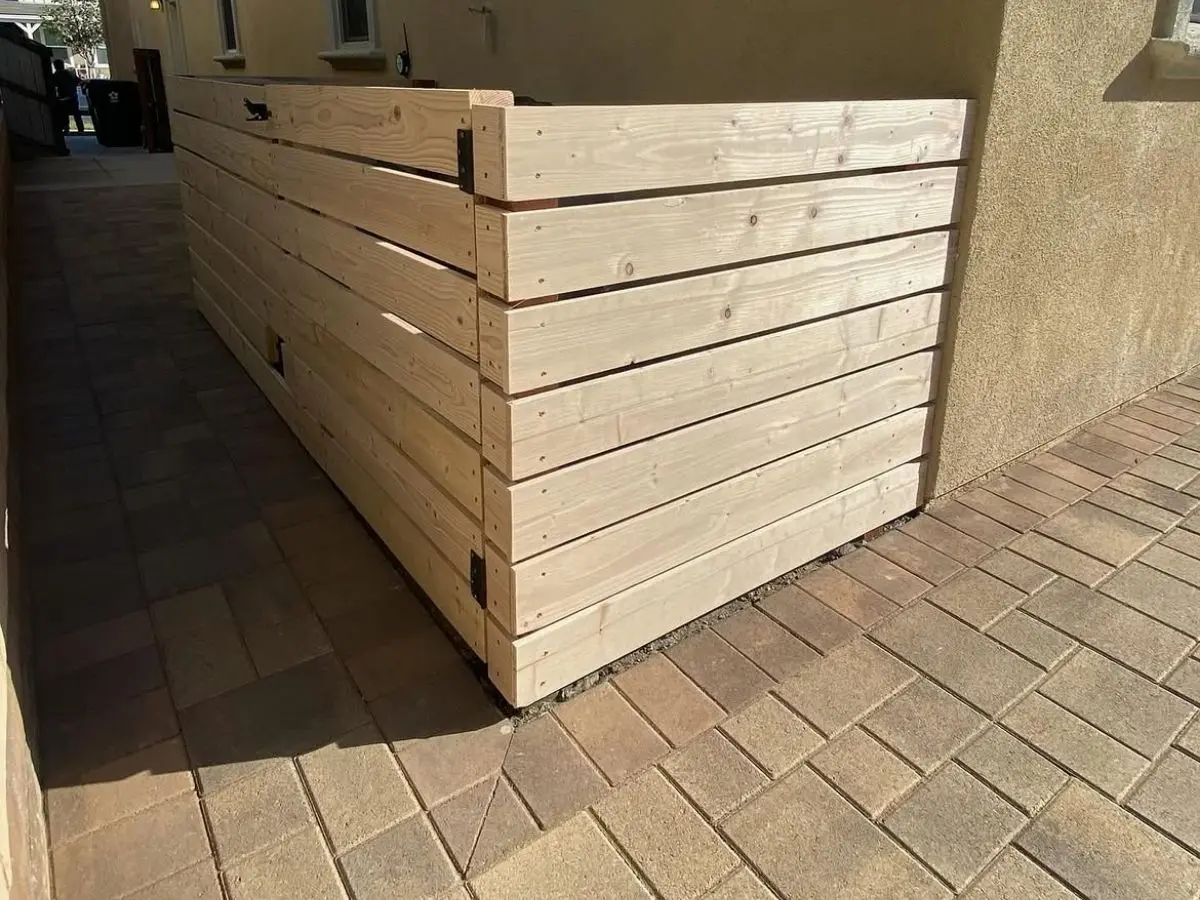
Horizontal cedar slat privacy screen built over a paver walkway alongside a home
Horizontal cedar screen with paver walkway

Fence Installation in San Diego County

Wood, vinyl, and iron fencing installed to define your property and give you privacy. We set posts in concrete, build square, and use materials that hold up to San Diego sun and coastal air. Privacy fences, ranch rail, horizontal slat screens, and gates built to match.

Get a Fence Quote

Common questions

How deep do fence posts need to be set?

Posts should go a minimum of two feet deep for a six foot fence, set in concrete, with depth increasing for taller fences or loose soil. We dig to the depth your soil and fence height actually require rather than a standard number.

Wood or vinyl fencing in San Diego?

Vinyl costs more up front but does not need staining and will not warp or rot, which makes it a strong choice for coastal areas and for anyone who does not want maintenance. Wood costs less and looks warmer, but expects re-staining every few years. We install both and will tell you which fits your yard.
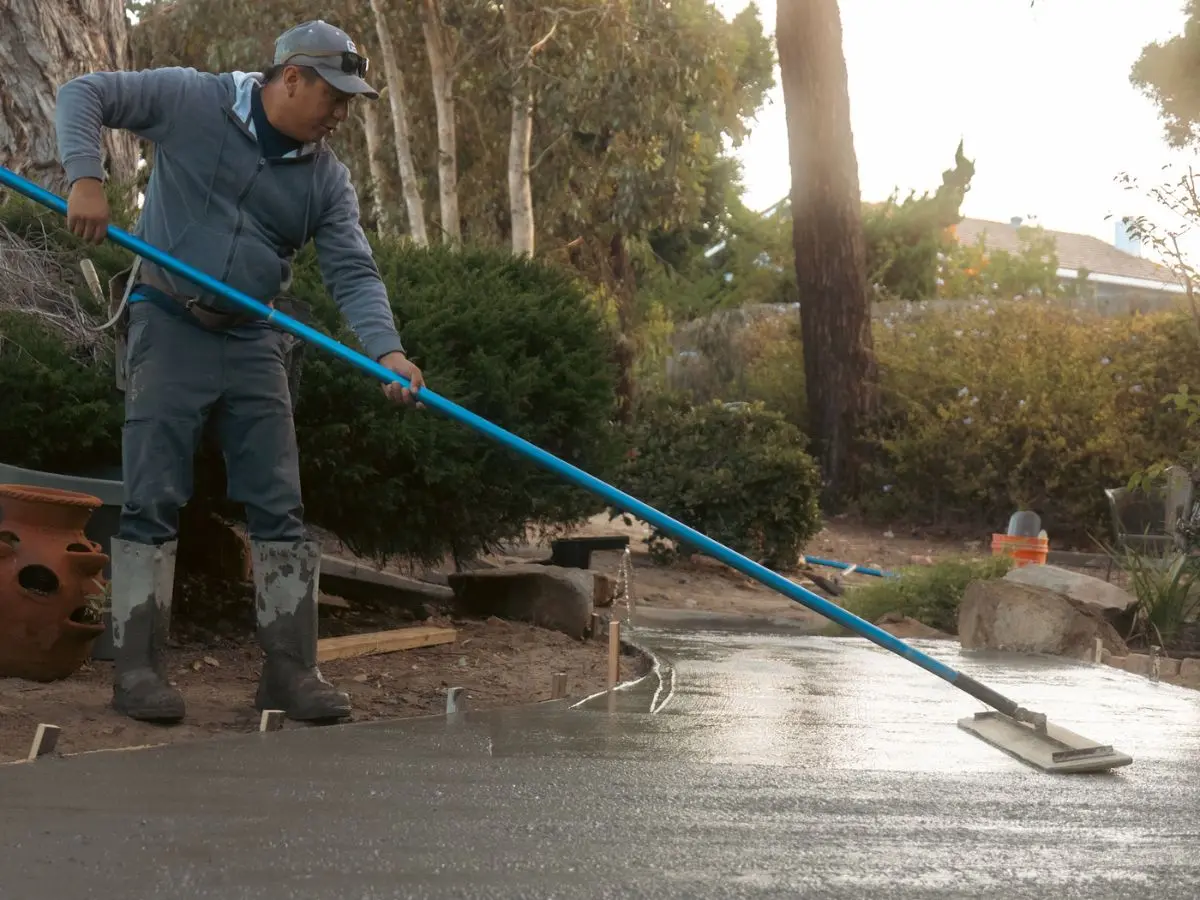
Concrete finisher bull floating a freshly poured slab at sunset
Finishing a fresh pour at last light

Concrete Driveways, Patios, and Walkways

Driveways, walkways, patios, and slabs poured with the right mix and proper reinforcement. We form, set rebar or mesh, pour, and finish in house. Broom finish, top cast, washed exposed aggregate, and smooth trowel, cut and sealed so it stays strong for decades.

Get a Concrete Quote

Common questions

How thick should a concrete driveway be?

Four inches is standard for a residential driveway carrying passenger vehicles. Go to five or six inches if you are parking an RV, a work truck, or anything heavy. We reinforce with rebar or mesh either way and place control joints so cracks go where we want them.

Why does concrete crack?

All concrete cracks. The job is controlling where. Cracks come from shrinkage as the slab cures, from soil movement underneath, and from slabs poured too thin or without control joints. Proper base prep, correct thickness, reinforcement, and cuts placed at the right spacing keep cracking in the joints instead of across the middle of your patio.

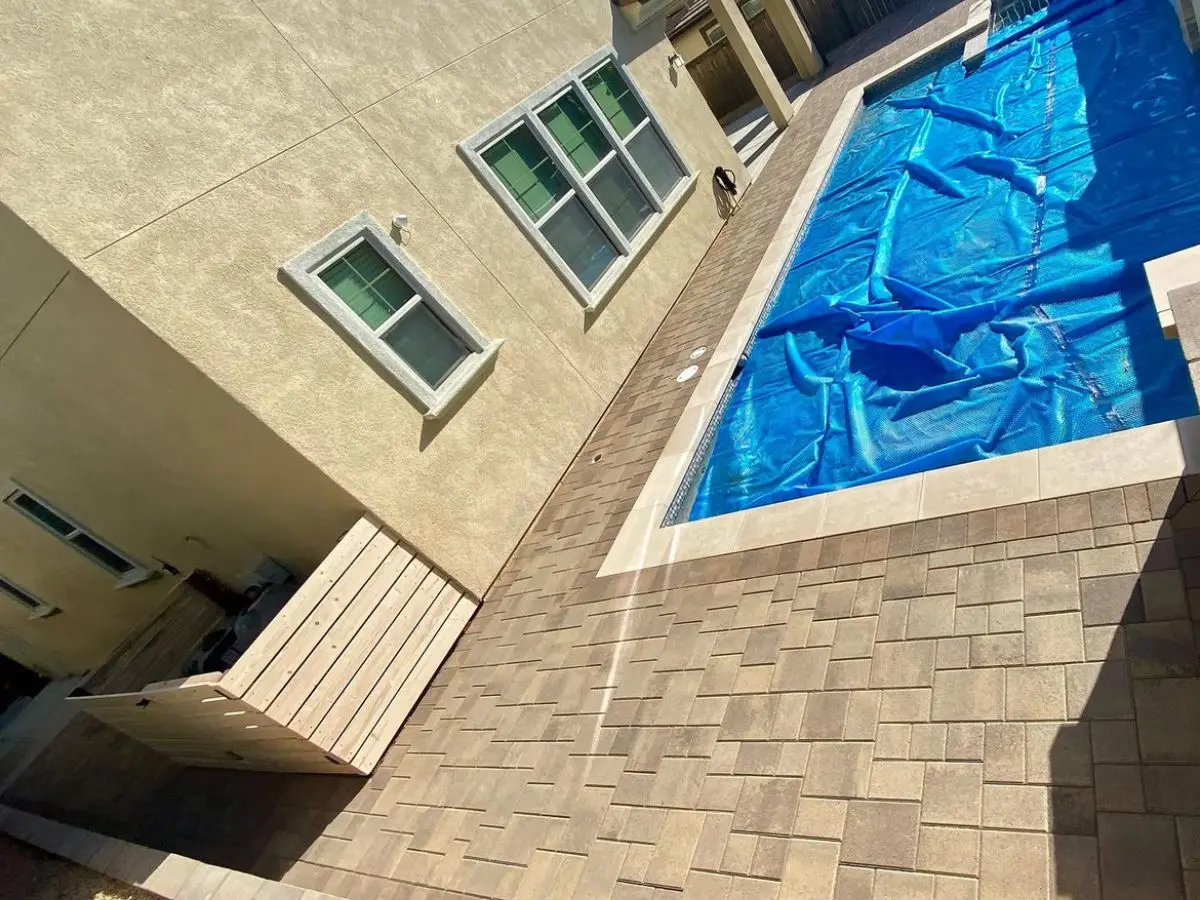
Large format paver pool surround with a cedar equipment enclosure
Paver pool surround with custom equipment screen

Paver Patios, Walkways, and Driveways

Custom paver patios, walkways, driveways, and pool surrounds using premium stone and brick. We handle the full job: excavation, base compaction, bedding sand, install, edging, and joint sand. Done right, pavers stay level, drain properly, and individual pieces can be lifted and reset years later.

Get a Paver Quote

Common questions

How long does a paver patio take to install?

Most residential paver patios take three to five working days depending on square footage, how much excavation is needed, and whether existing concrete has to come out. Larger driveways and pool surrounds run longer. We give you a schedule before we start.

What happens if a paver sinks or shifts?

A properly compacted base prevents most settling. If a section does move, individual pavers can be lifted, the base re-leveled, and the same pavers reset, which is the main advantage pavers have over poured concrete. We stand behind the base prep on every job we install.

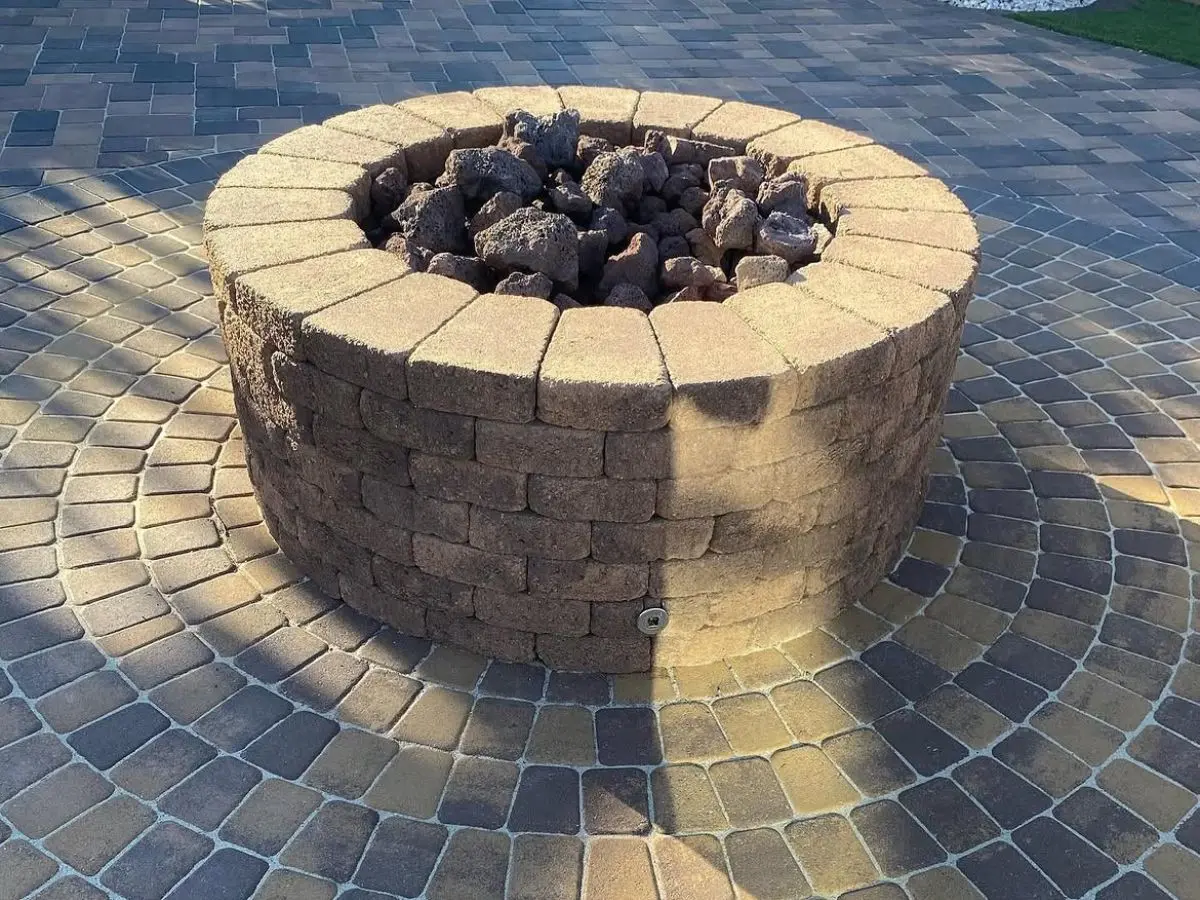
Round stacked block firepit set into a circular paver patio with lava rock
Stacked block firepit with circular paver field

Custom Firepits and Outdoor Living Features

Firepits built from stacked block with paver caps and set into a finished patio so the whole space reads as one piece. Wood burning or gas, sized to the seating you actually want around it. We also build seat walls, retaining walls, and planters in matching materials.

Get a Firepit Quote

Common questions

Gas or wood burning firepit?

Gas lights instantly, produces no smoke or ash, and can be shut off in seconds, which matters in a small yard or anywhere with close neighbors. It requires a gas line run to the pit. Wood costs less to build and gives you real fire and heat, but you deal with smoke, ash, and storage.

How much space does a firepit need?

Plan for at least a twelve foot circle of patio around a standard four foot firepit so chairs have room and nobody is sitting on top of the flame. We lay it out with you on site before anything is set.

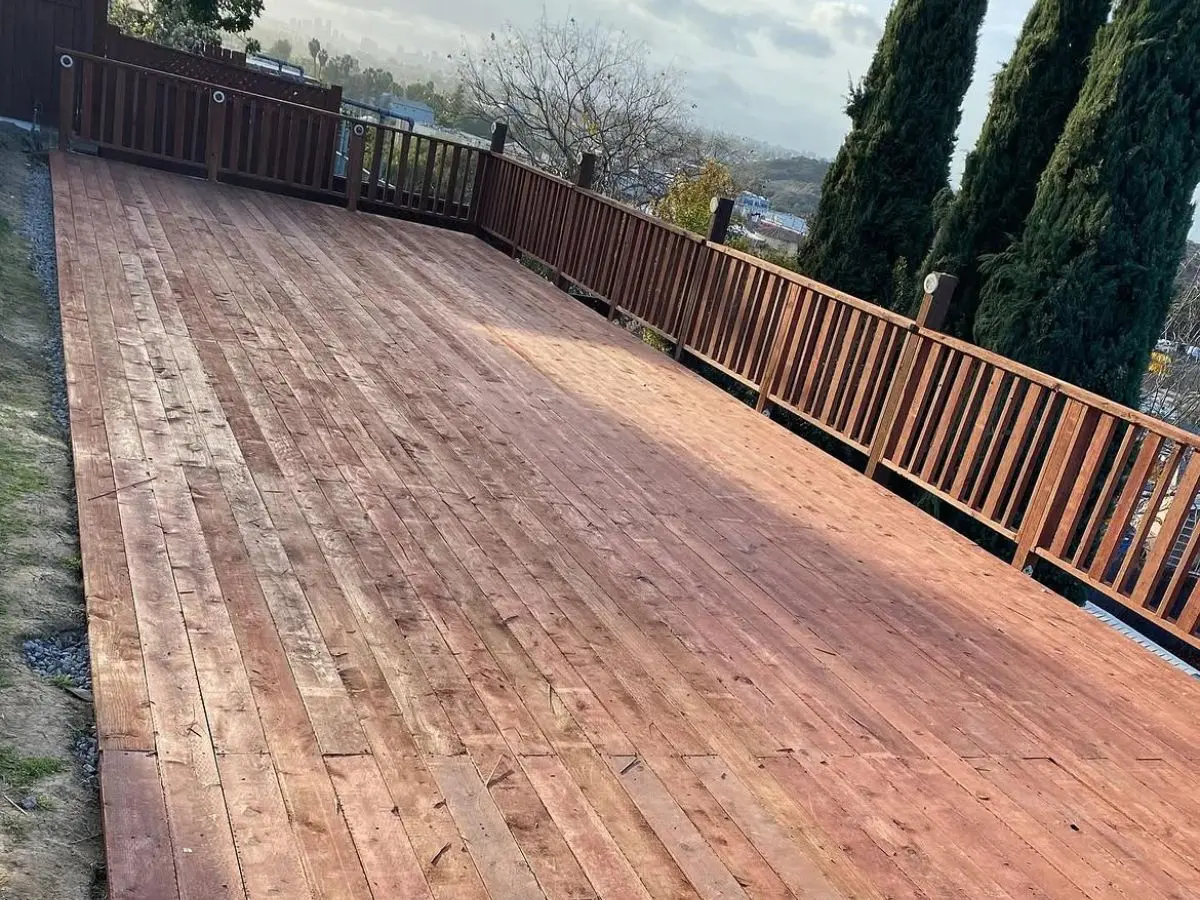
Large redwood deck with railing overlooking a San Diego hillside
Redwood deck with hillside views

Custom Decks and Outdoor Structures

Custom decks, pergolas, and outdoor living structures in wood and composite. We frame, deck, and rail in house, building around slopes, trees, and whatever your lot actually gives us. Redwood, cedar, and composite, with cable rail, wood rail, or open edge depending on the view you want to keep.

Get a Deck Quote

Common questions

Redwood, cedar, or composite?

Redwood and cedar look better and cost less up front but need sealing every couple of years to stay from graying and splitting. Composite costs more and never matches real wood grain, but you wash it and forget it. On a deck you will look at every day, most of our clients pick real wood.

Do I need a permit for a deck?

In most San Diego jurisdictions a deck under thirty inches off the ground and not attached to the house does not require a permit. Anything higher, attached, or with a roof usually does. Rules vary by city. We tell you what applies to your address before we start.

Landscaping and Yard Finishing

We finish the yard around the hardscape. Drought-tolerant planting, decomposed granite, gravel, mulch beds, and artificial turf, planned with plants suited to Southern California so the whole space works together instead of looking like two separate jobs. Landscaping is quoted as part of a larger project rather than on its own.

Get a Quote